
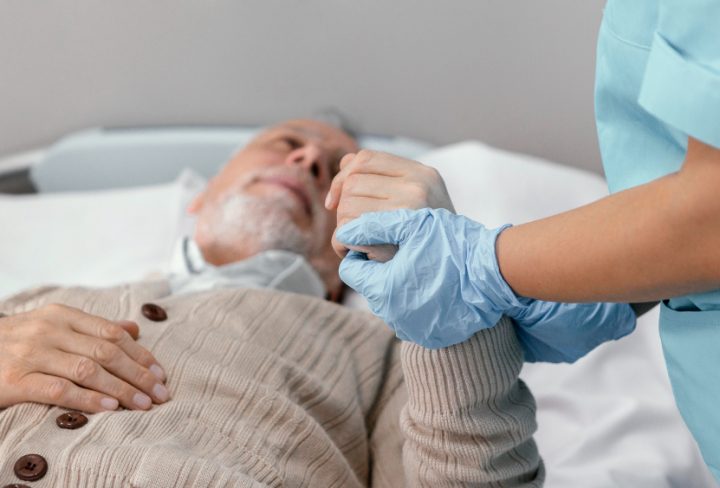
Introduction to Palliative Care and Its Goals
Palliative care helps people with serious illnesses feel better. It focuses on comfort, not cure. Many people want relief from pain and stress. For this reason, palliative care aims to improve quality of life. It supports both patients and their families. Often, care teams use different methods to help. Some people look for natural remedies for end-of-life care. Homeopathy for palliative care is one such option. But what is homeopathy, and how can it help?
What Is Homeopathy? Brief Overview
Homeopathy is a natural system of medicine. It uses very small doses of natural substances. These may come from plants, minerals, or animals. The idea is to help the body heal itself. Homeopathy has been used for over 200 years. Many people choose it for gentle care. However, it is important to know that homeopathy is different from regular medicine. It does not replace standard treatments. Instead, it may be used alongside them for extra comfort.
The Role of Homeopathy in Palliative Care
In palliative care, comfort is key. Homeopathy for palliative care aims to ease symptoms. It does not cure the illness. Instead, it may help people feel more at ease. For example, some homeopathic remedies may reduce pain or calm anxiety. Others may help with sleep or digestion. Because homeopathy uses gentle remedies, many people find it less harsh. Still, it should always be used with guidance from a trained provider. This way, care stays safe and effective.
Common Symptoms Managed by Homeopathy in Palliative Settings
Many symptoms can trouble people in palliative care. Homeopathy may help manage some of these. For instance, common symptoms include:
For each person, remedies may differ. For example, one person may need help with pain, while another needs relief from nausea. Because of this, homeopathic care is often tailored to each patient. Always talk to a healthcare provider before starting any new remedy.
Evidence, Safety, and Limitations of Homeopathy in Palliative Care
Many people ask if homeopathy is safe and effective. According to the World Health Organization (WHO), homeopathy is generally safe when used as directed. However, strong scientific evidence for homeopathy in palliative care is limited. Some studies show mild benefits for certain symptoms, such as anxiety or nausea. Yet, more research is needed to confirm these effects. Importantly, homeopathy should not replace standard medical care. It works best as a supportive option. Always use homeopathy under the care of a qualified provider. This helps avoid side effects or delays in important treatments.
Lifestyle Guidance and Supportive Care Tips
Besides homeopathy, many lifestyle tips can help in palliative care. For example, simple changes can make a big difference. Consider these supportive care tips:
With these steps, comfort can improve. In addition, support from family and friends is very helpful. Remember, every person’s needs are unique.
Prevention and When to Consult a Healthcare Professional
While palliative care focuses on comfort, prevention of new problems is still important. For example, watch for signs of infection or new pain. If symptoms change or get worse, seek help right away. Also, always consult a qualified healthcare provider before starting homeopathy or any new remedy. This ensures safety and the best possible care. Early advice can prevent problems and improve comfort.
Conclusion
In summary, homeopathy in palliative care offers comfort beyond cure. It may help ease symptoms and support well-being. However, it should not replace standard treatments. Always talk to a healthcare provider for personalized palliative care advice.